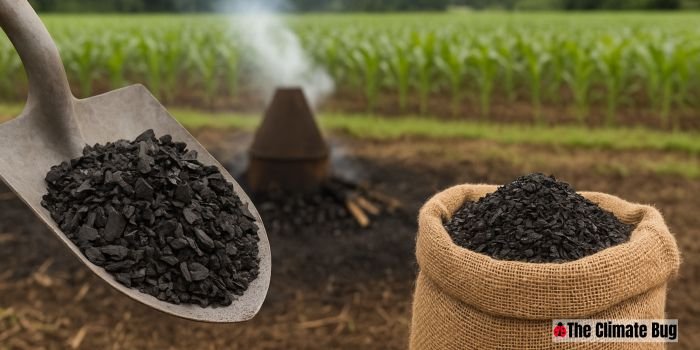

In this research, led by Ana Méndez and her team, the scientists explored a simple but powerful idea—what happens when we combine biochar with a common zinc fertilizer (ZnSO₄) in soil? Their goal was to improve soil quality and increase zinc uptake in lettuce plants. This study is important because many soils lack micronutrients like zinc, which affects both plant growth and human nutrition.
Materials and Methods
The researchers used a sandy soil (Cambisol) and added zinc in the form of ZnSO₄, either alone or mixed with wood-based biochar (5%). They grew lettuce plants under controlled conditions for 35 days. During the experiment, they measured soil properties like pH, microbial activity, water retention, and zinc availability. They also checked plant growth, leaf pigments, and zinc content in roots and leaves to understand how the treatments worked.
Results
The results were very interesting. All treatments improved plant growth, but the combination of biochar and zinc showed the best overall performance. Biochar increased soil water retention and microbial activity, while zinc improved nutrient availability. Lettuce plants grown with biochar had up to 324% higher biomass, and zinc uptake in leaves also increased significantly. The plants also showed higher chlorophyll levels, meaning better photosynthesis and healthier growth.
Conclusion
This study shows that combining biochar with zinc fertilizer is a smart and sustainable way to improve soil health and crop production. Biochar not only helps retain nutrients but also improves water availability, making it especially useful in dry or poor soils. Overall, this approach can support better agriculture while reducing environmental impact and improving food quality.
📚 Reference
Méndez, A., Almendros, P., Paz-Ferreiro, J., & Gascó, G. (2026). Effect of the Combination of Biochar and ZnSO₄ on Soil Properties and Lettuce Zinc Uptake. Soil Systems, 10, 42. https://doi.org/10.3390/soilsystems10030042