
Introduction
Coconut waste builds up quickly around the world, especially from tender coconuts. People often leave this waste unused, which creates environmental problems. In this study, Shristi Shefali Saraugi and her team explored a smarter way to use this waste by turning it into biochar, a useful carbon-rich material.
How the Experiment Was Done
The researchers used slow pyrolysis to convert coconut waste into biochar. They heated the material at temperatures between 350°C and 650°C and controlled the heating rate carefully. After producing the biochar, they tested it using different techniques to understand its structure and properties.
What They Found
The results clearly show that temperature plays a key role. As the temperature increased, the biochar became more stable and more carbon-rich. It also developed better pore structures, which improve its performance in applications like pollution removal. However, higher temperatures reduced the total amount of biochar produced.
Best Performing Condition
The sample produced at 650°C with a slow heating rate showed the best performance. It had a stronger structure, higher carbon content, and better overall properties compared to other samples.
Why This Research Matters
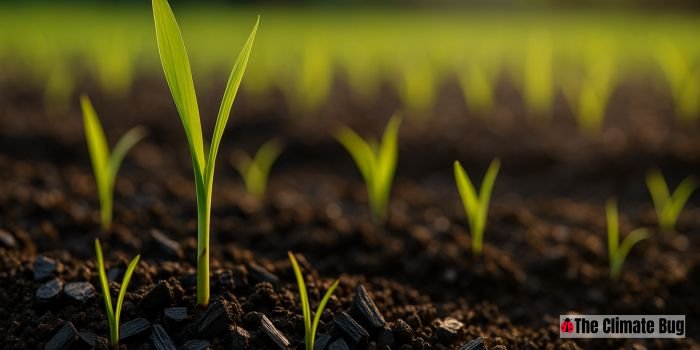
This study shows that we can turn simple agricultural waste into a valuable product. Biochar from coconut waste can help improve soil, clean polluted water, store carbon, and support energy-related applications.
Final Conclusion
This research highlights one key idea: when we control temperature and heating conditions carefully, we can turn waste into a powerful environmental solution. This approach offers a practical path toward sustainable waste management and a cleaner future.
Reference
Saraugi, S.S. et al. (2026). A comprehensive characterization of tender coconut waste biochar produced through slow pyrolysis at different temperatures and heating rates. Biomass and Bioenerg.