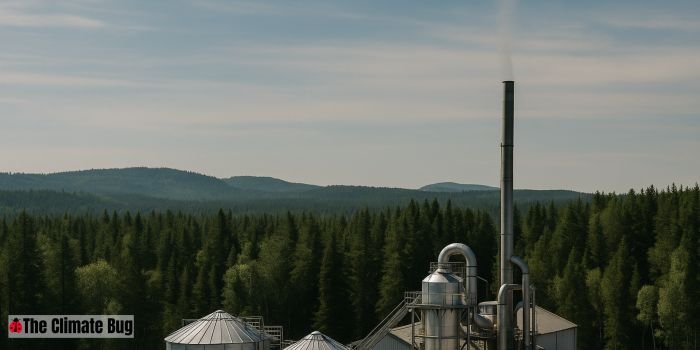

A new clean energy project is taking shape in northwestern Ontario. CHAR Technologies, a Toronto-based firm, and Lake Nipigon Forest Management Inc. (LNFMI) have secured a provincial licence to build a renewable energy biohub near Hurkett, east of Thunder Bay. The facility will convert forest waste into valuable products while boosting the regional economy.
Building Partnerships for a Sustainable Future
The project rests on strong partnerships. LNFMI, which holds the Sustainable Forest License for the Lake Nipigon Forest, guarantees a steady feedstock supply. Four local First Nations—Animbiigoo Zaagi’igan Anishinaabek, Bingwi Neyaashi Anishinaabek, Biinjitiwaabik Zaaging Anishinaabek, and Red Rock Indian Band—are also key partners. Their involvement ensures Indigenous-led development and community benefits.
Site preparation is already underway, with initial civil works completed.
From Forest Waste to Climate Solutions
The Hurkett biohub will use residual wood to create two major product streams.
- Biocarbon Production (Phase One)
The facility will first produce bio-coal and activated biochar, designed for industries like steelmaking, mining, and metal processing. These products will replace fossil fuels with renewable, carbon-negative alternatives. - Renewable Natural Gas (Phase Two)
After scaling up biocarbon, the facility will expand into renewable natural gas (RNG). This step will strengthen Ontario’s clean energy supply and reduce reliance on fossil-based gas.
Economic and Climate Impact
CHAR expects the facility to generate more than $70 million in annual revenue through long-term offtake agreements for biocarbon and RNG. Construction is scheduled to begin in 2026, supported by equity investments, grants, and project financing.
The project will also create jobs, strengthen the local economy, and advance Ontario’s climate and biofuels goals.
Leaders Speak
- Andrew White, CEO of CHAR Technologies, said the secure feedstock supply allows the project to move forward and deliver Indigenous-led economic growth.
- Kevin Holland, Ontario’s Associate Minister of Forestry and Forest Products, noted the project puts forest biomass to work while strengthening the forest sector.
- Scot Rubin, CEO of LNFMI, called the licence a gateway to new economic opportunities that will serve communities for decades.
Why This Matters
This biohub will showcase how forestry, Indigenous leadership, and clean technology can align to tackle climate change. By producing biochar and renewable natural gas, the facility will cut emissions, replace fossil fuels, and give new purpose to waste wood.
It’s a powerful reminder that what we once considered waste can fuel a cleaner future.