

Environmental scientist · Engineered biochar
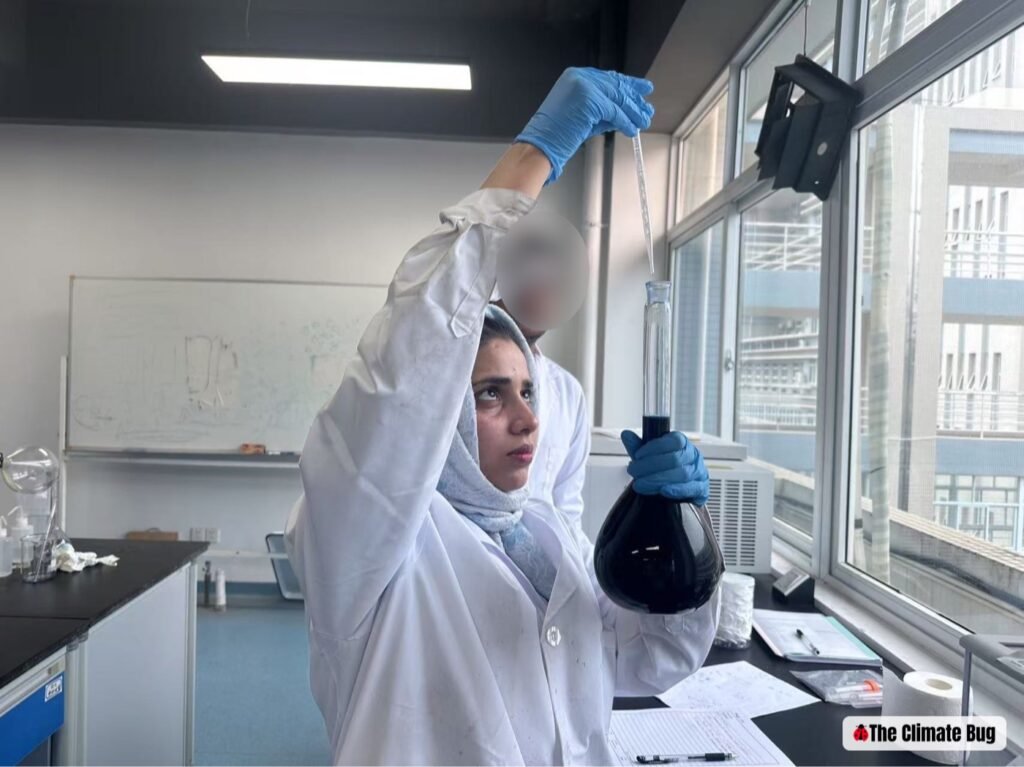
I’m Sumra Siddique Abbasi, and I turn farm waste into biochar that cleans polluted water and protects crops from toxic metals. This page shows the work behind my research: the lab, the experiments and the papers that came out of them.
At a glance
- Education: MSc in Agricultural Resources and Environment, Hainan University (2023–2026); BSc in Environmental Engineering, University of Science and Technology Beijing (2018–2022).
- Research focus: engineered biochar for removing dyes and heavy metals from water, and for protecting crops from cadmium in soil.
- Lab skills: biochar synthesis and modification; SEM-EDS, BET, FTIR, XRD, XPS and TGA; adsorption kinetics and isotherm modelling; pot experiments on plant stress.
- Now: external consultant on biochar carbon removal projects in China for Carbonfuture, and founder of The Climate Bug.
From corn stems to a dye-catching biochar
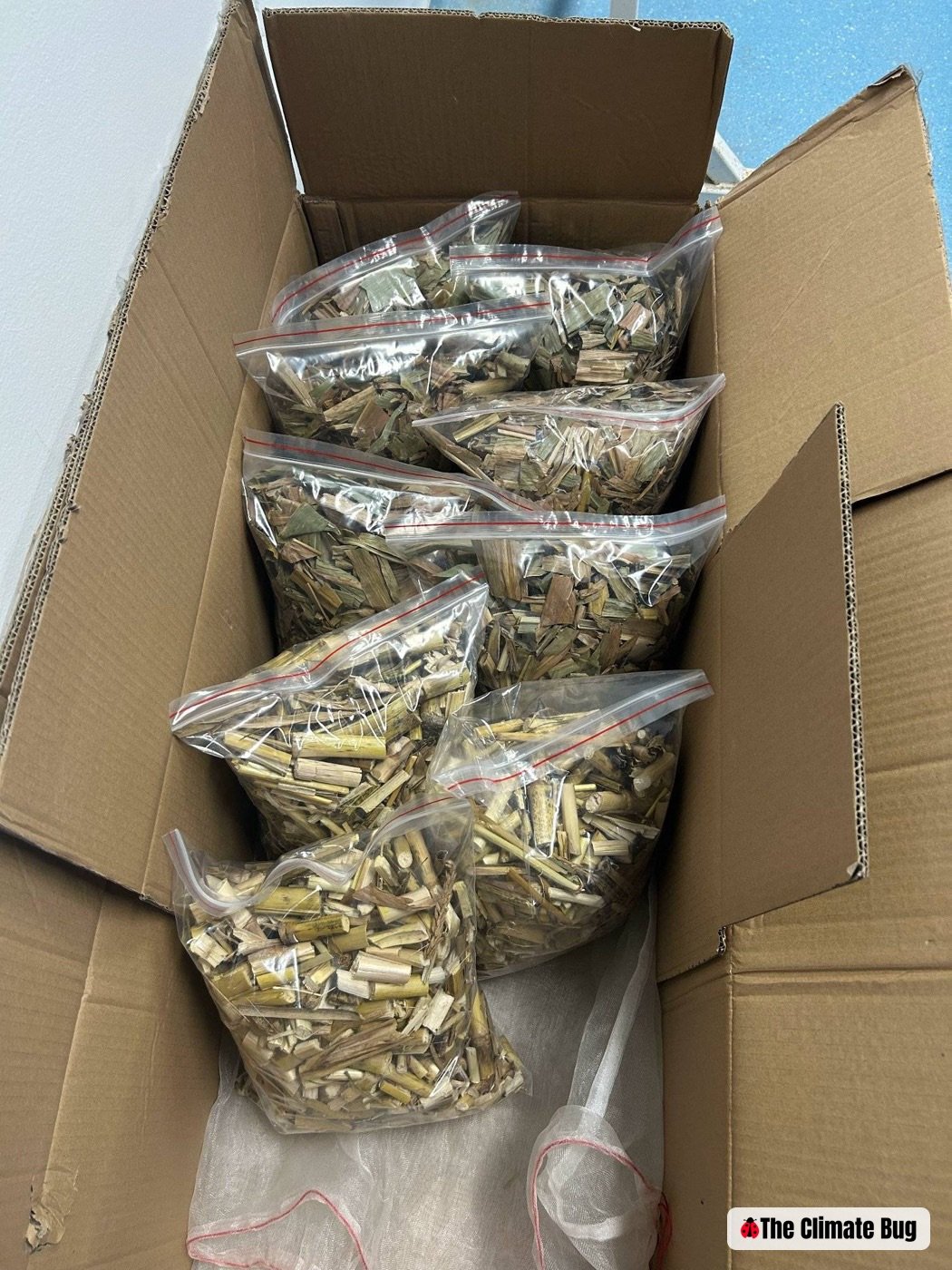
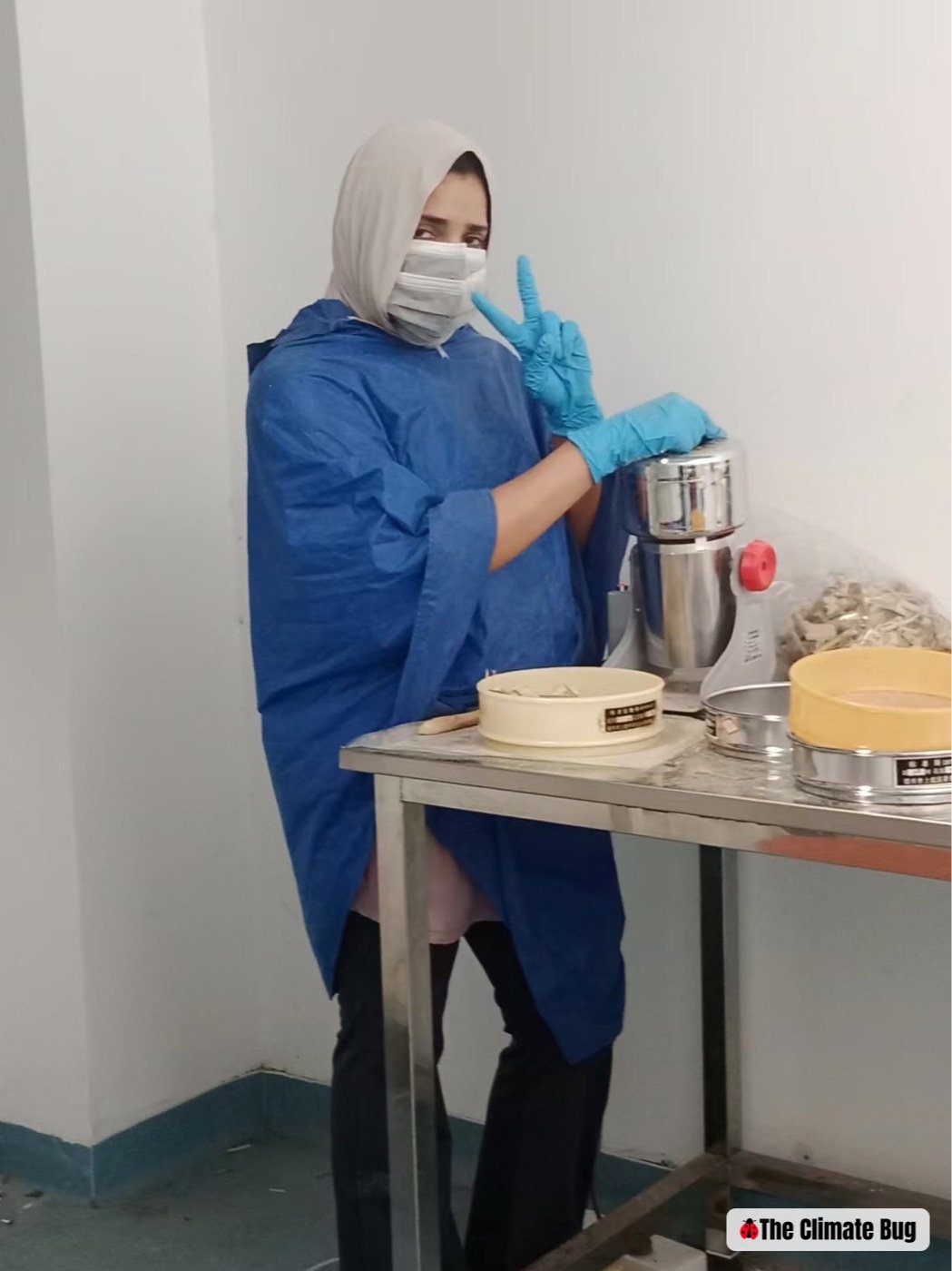
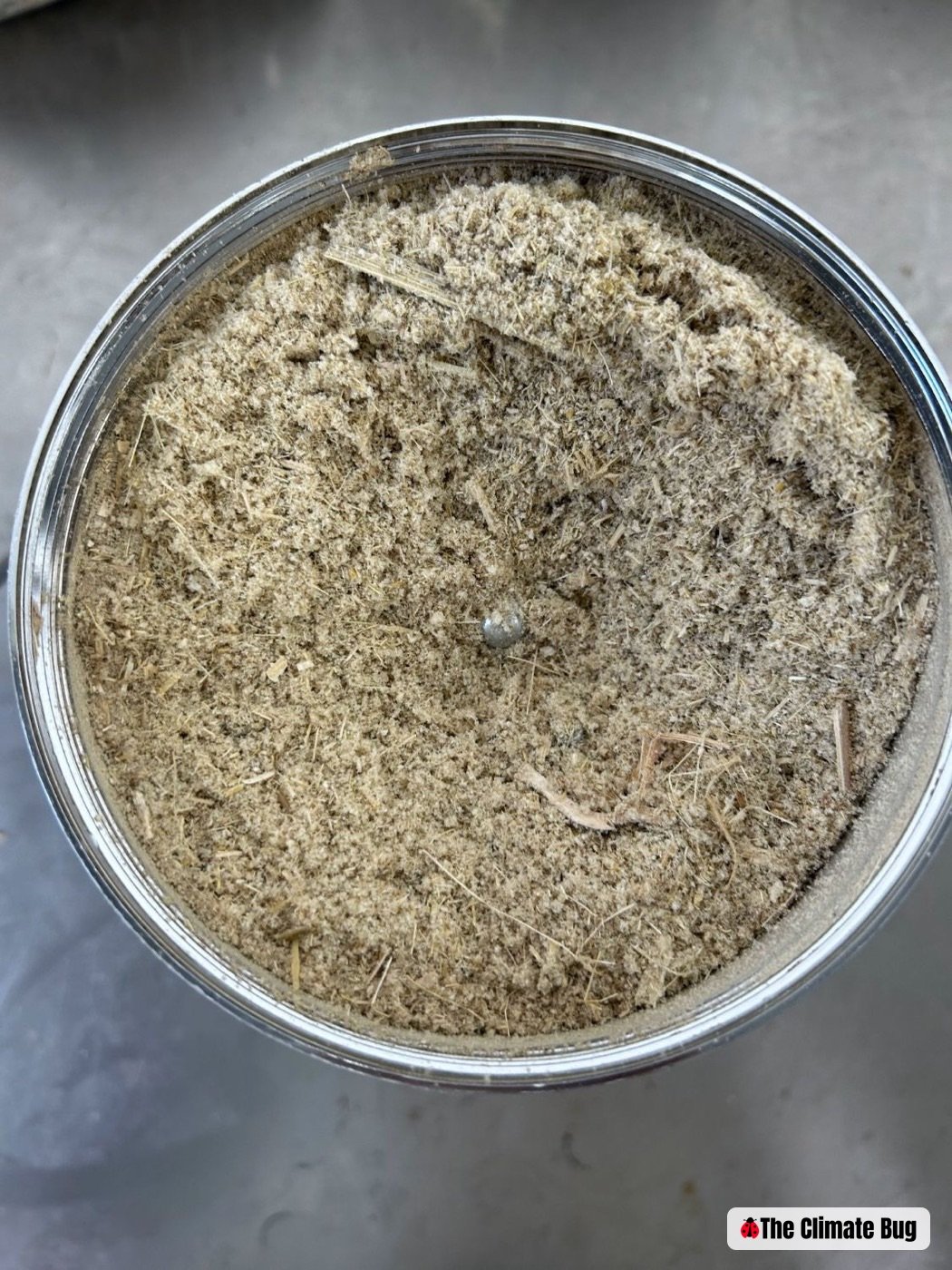
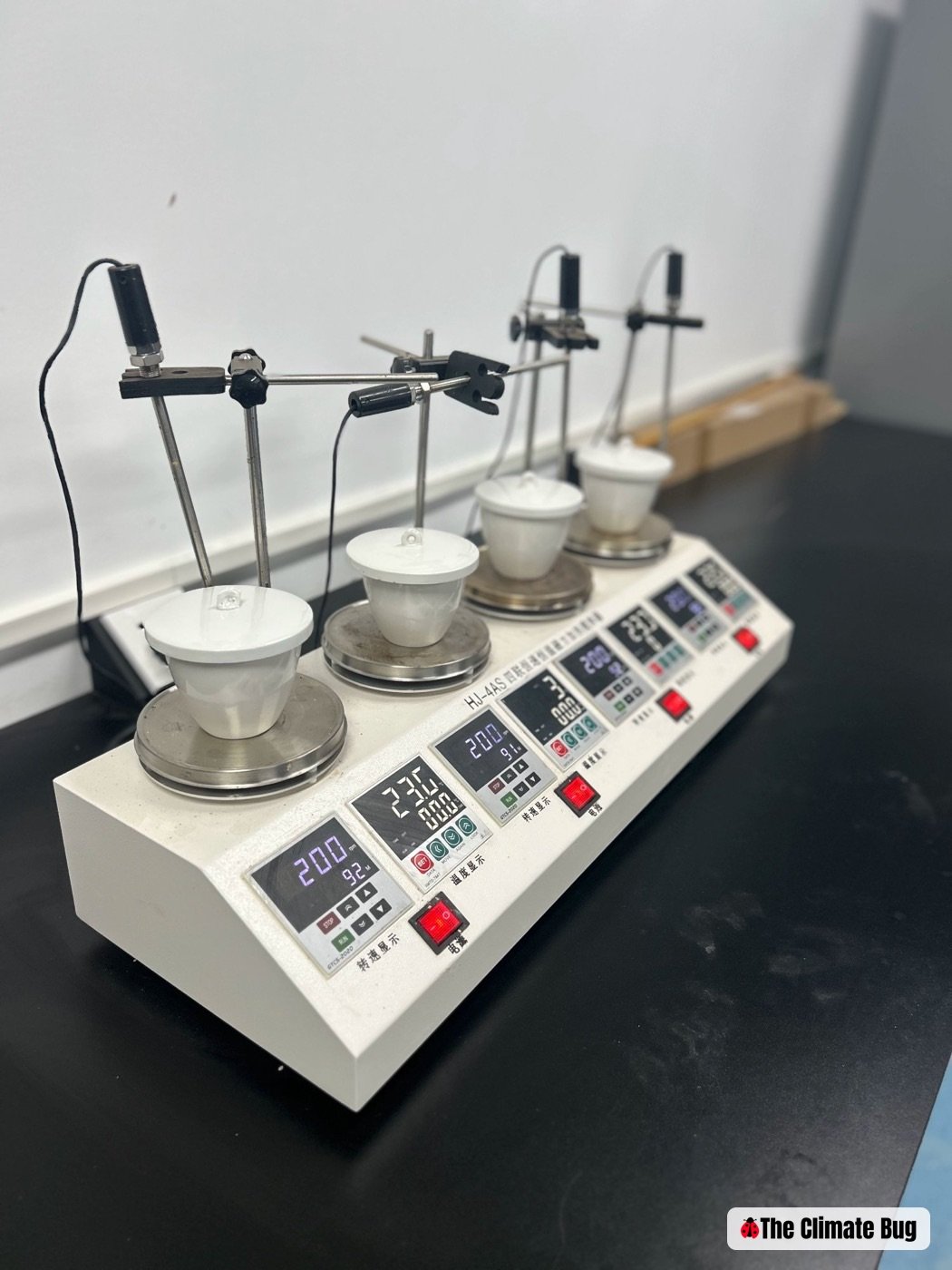
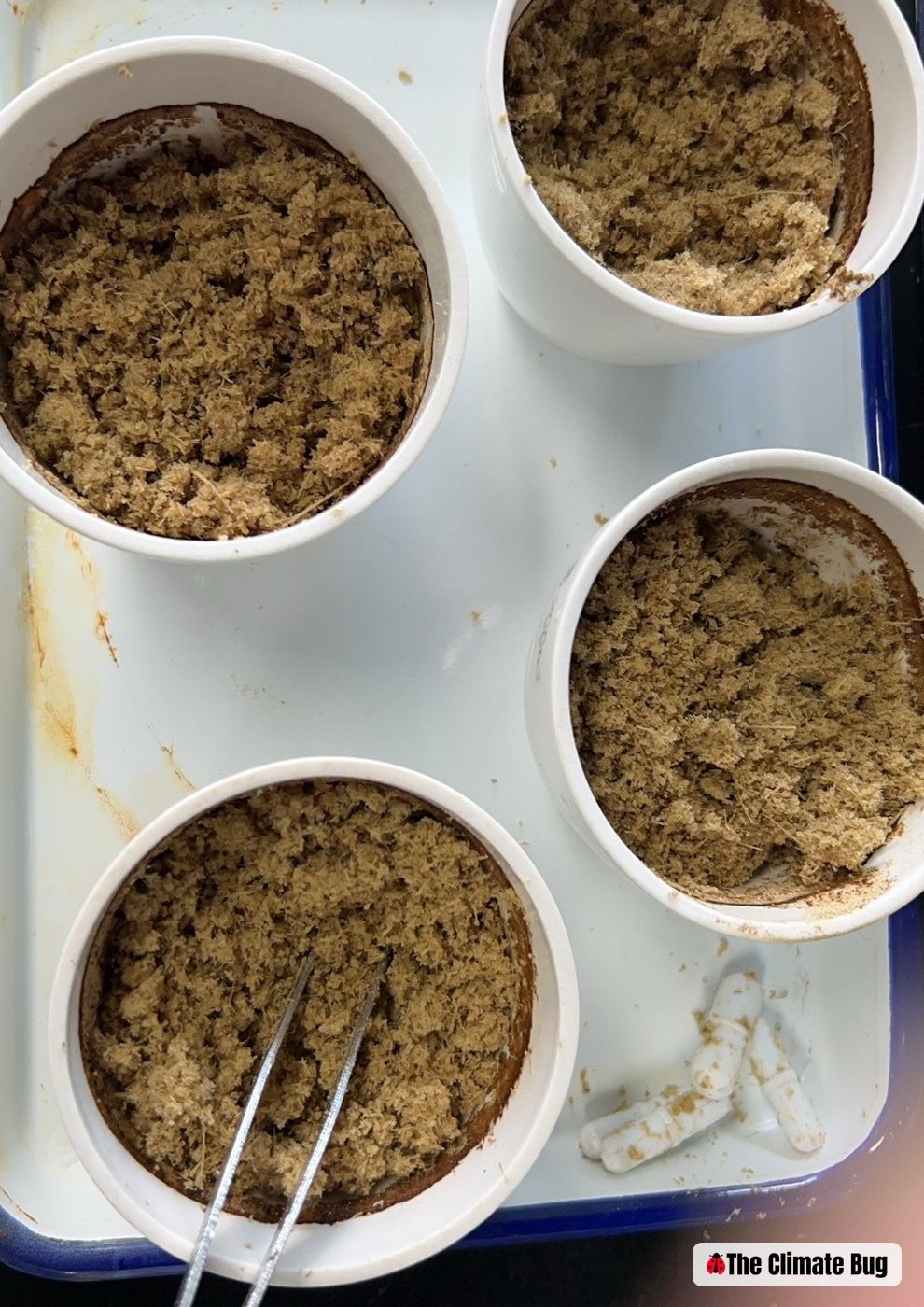
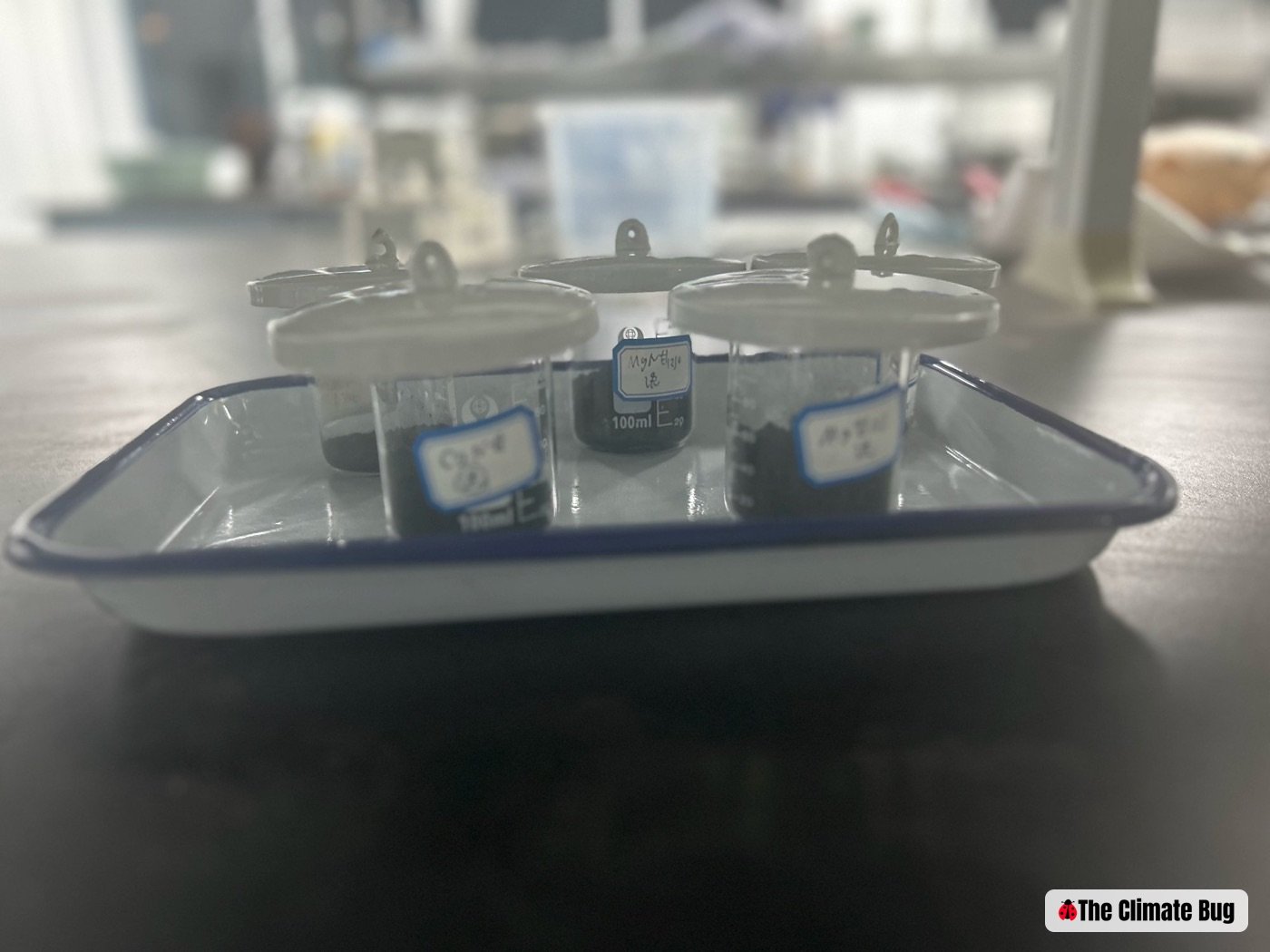
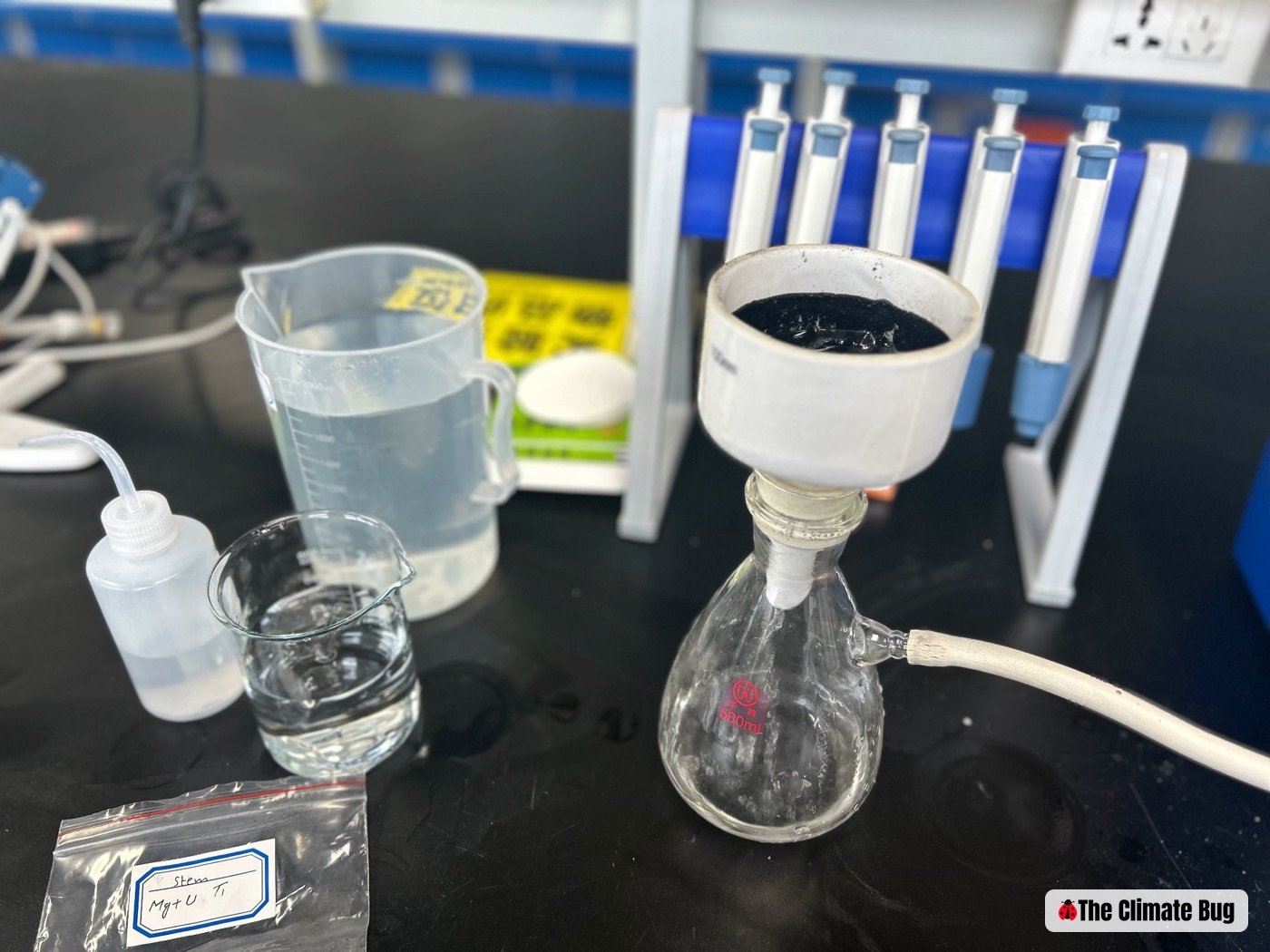
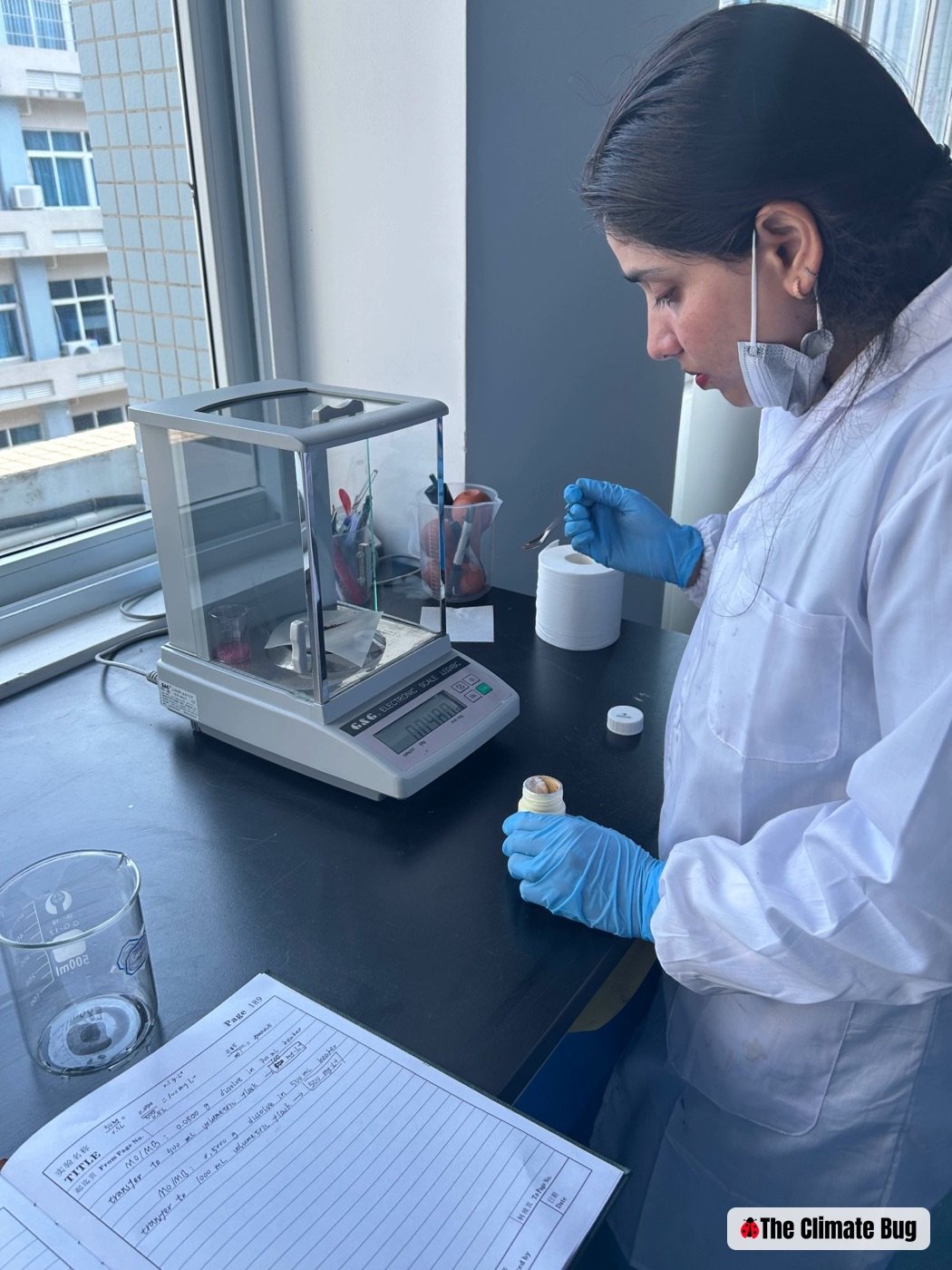
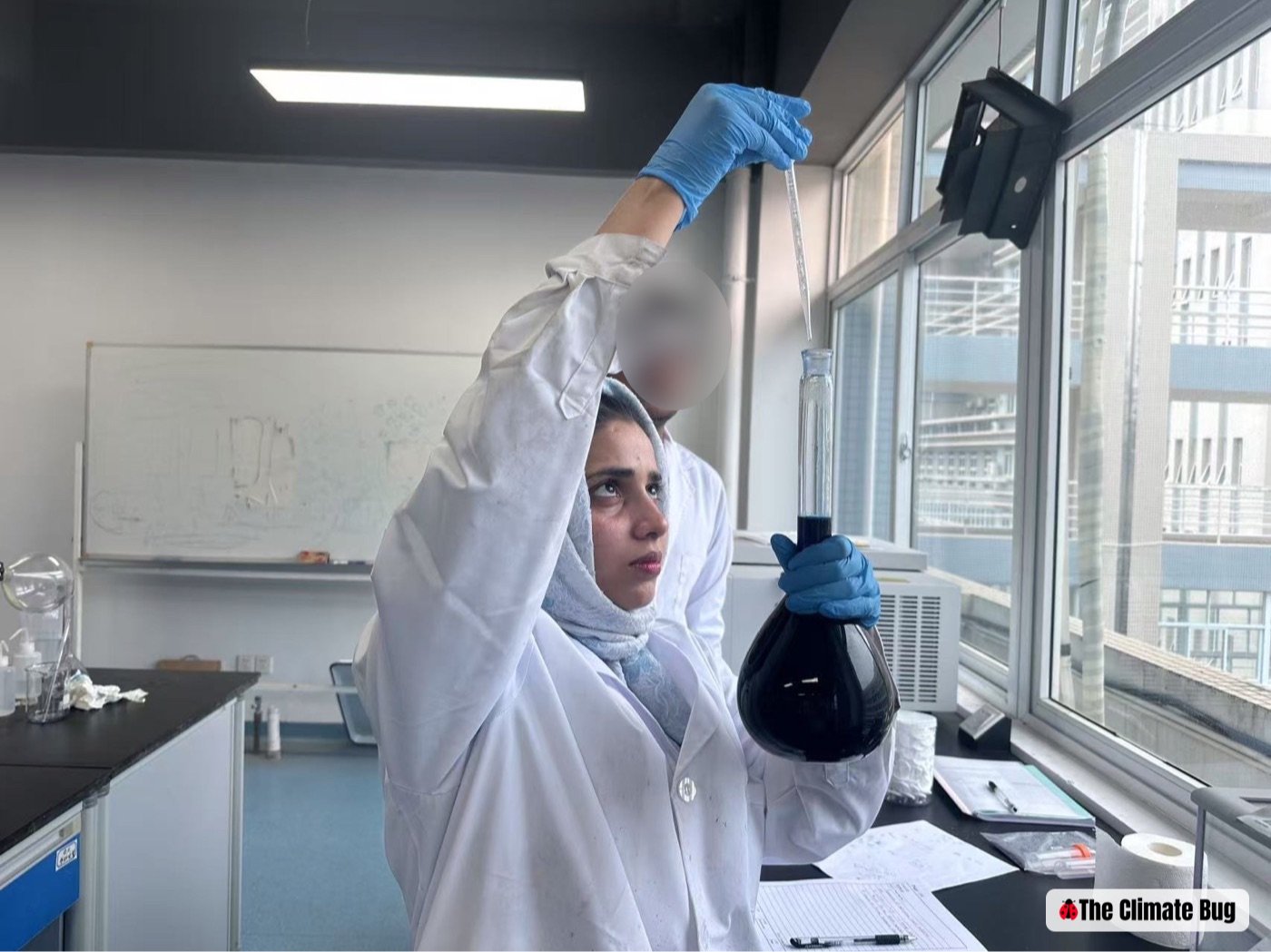
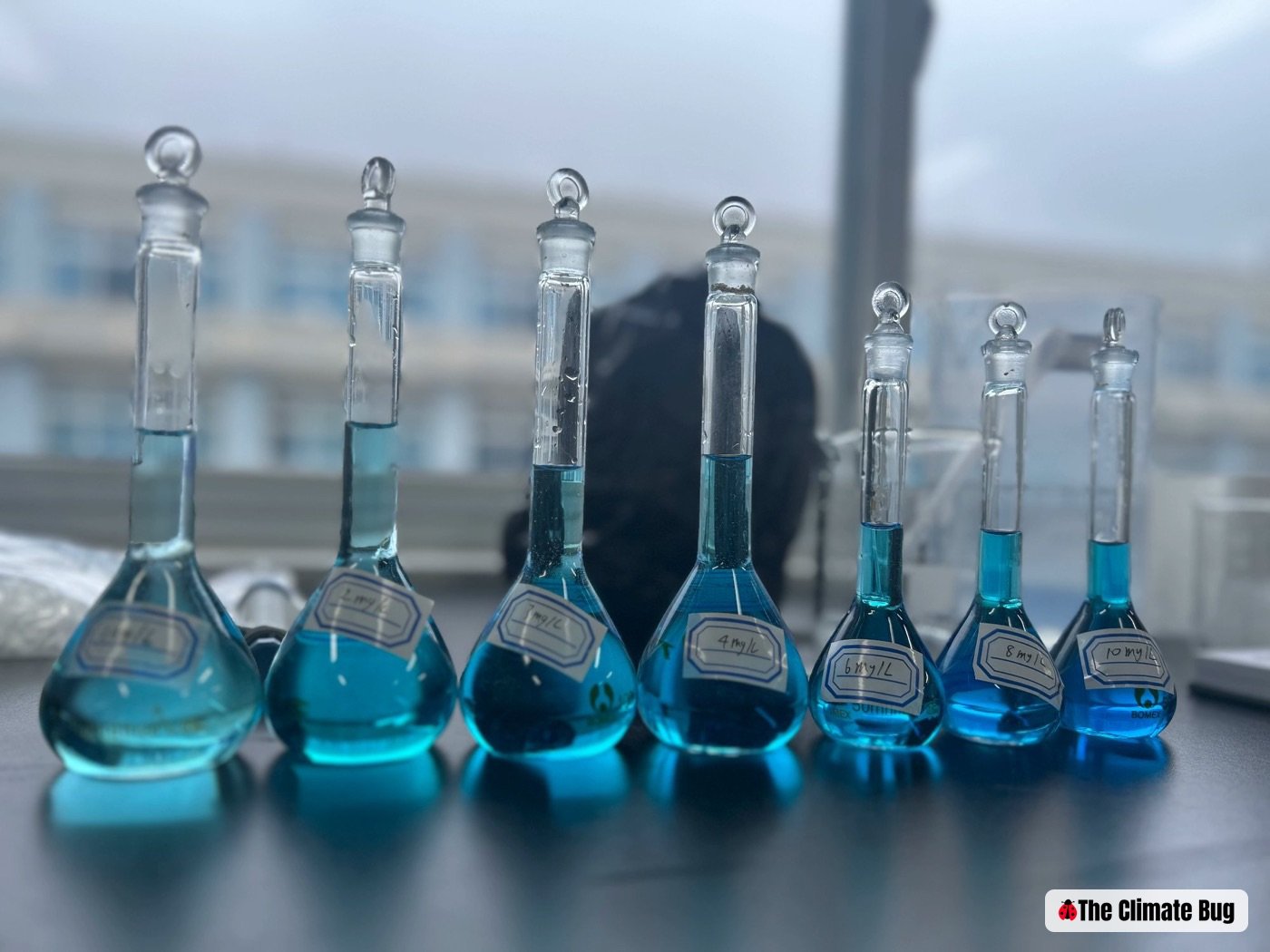
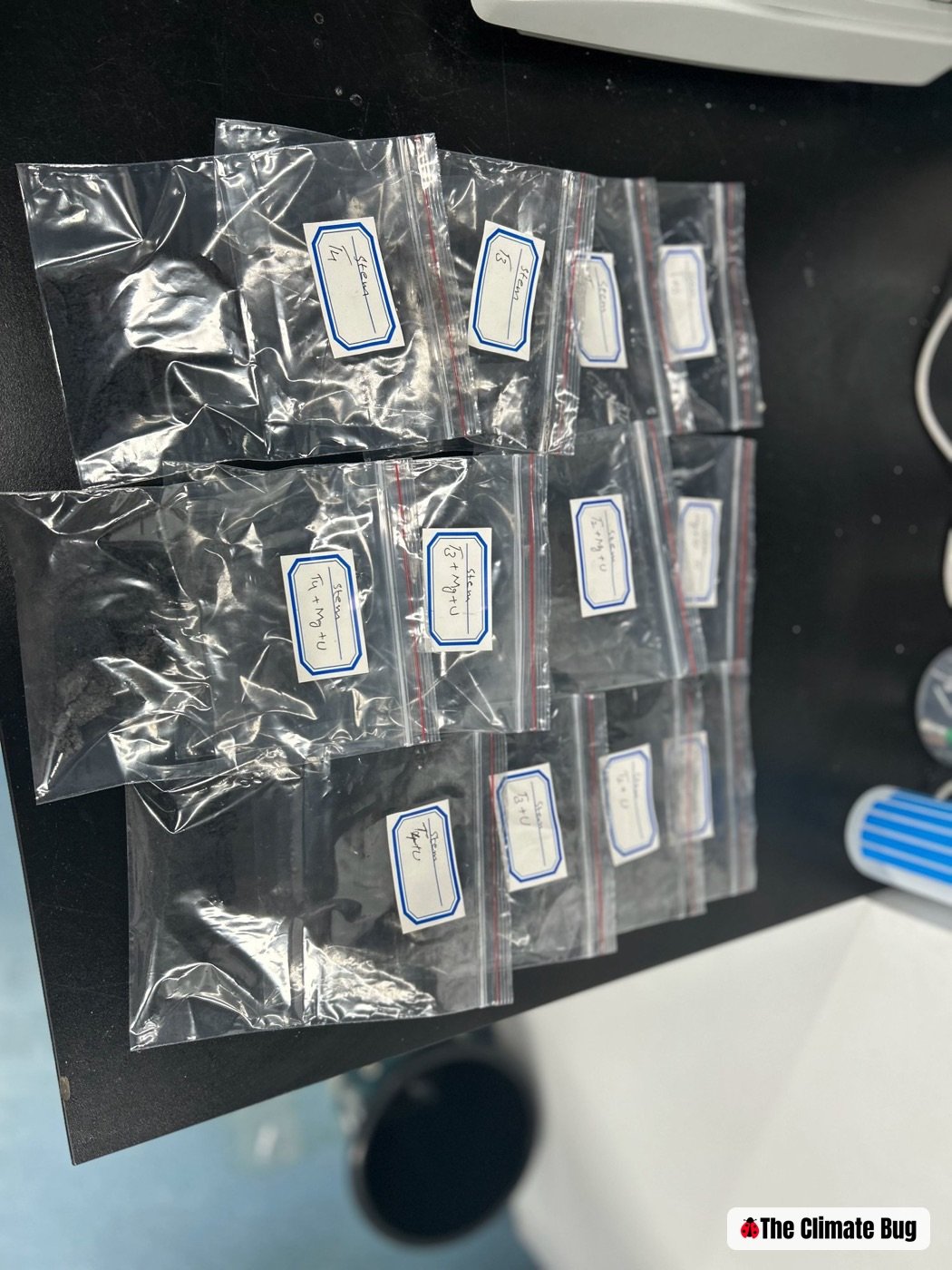
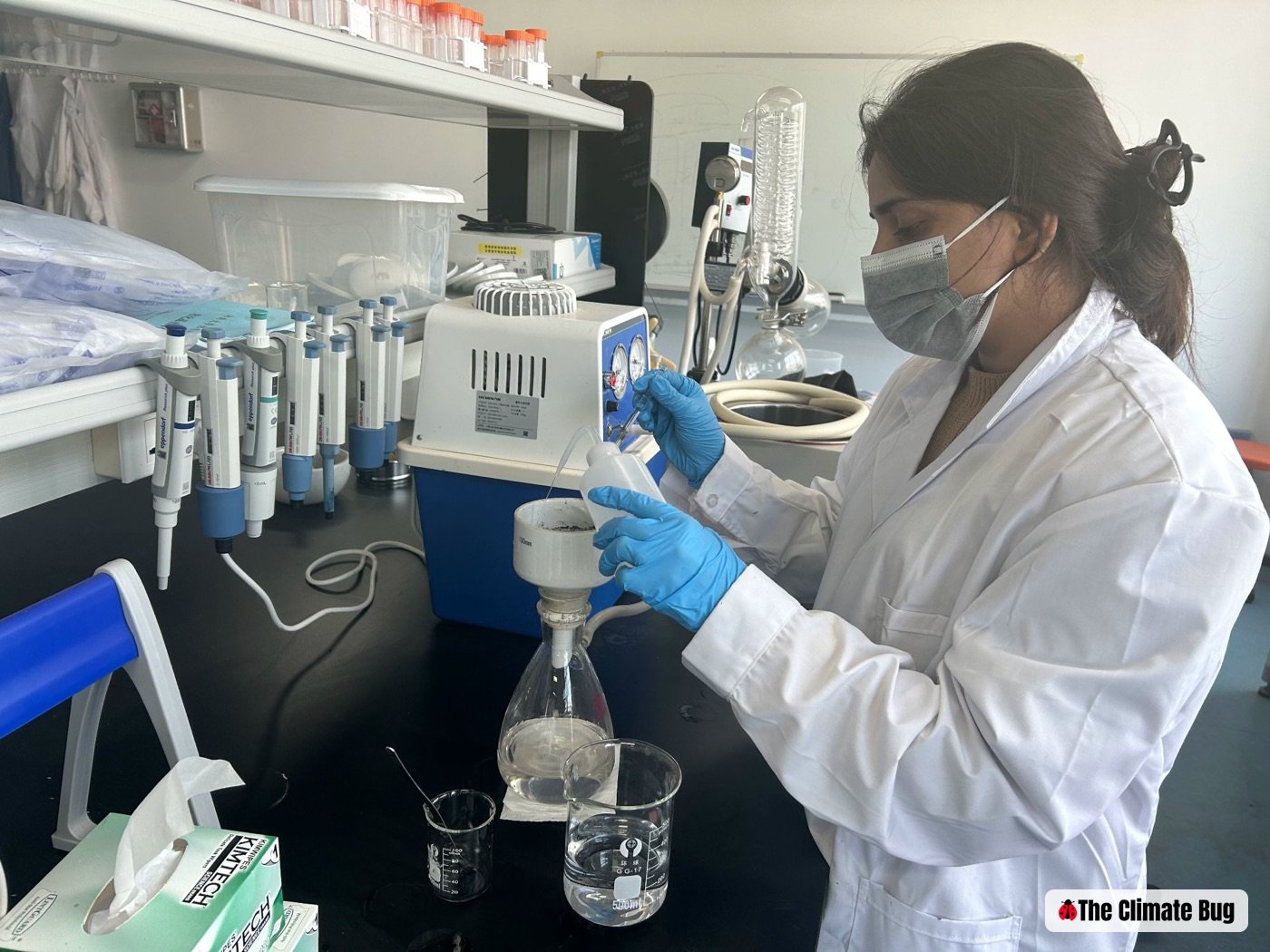
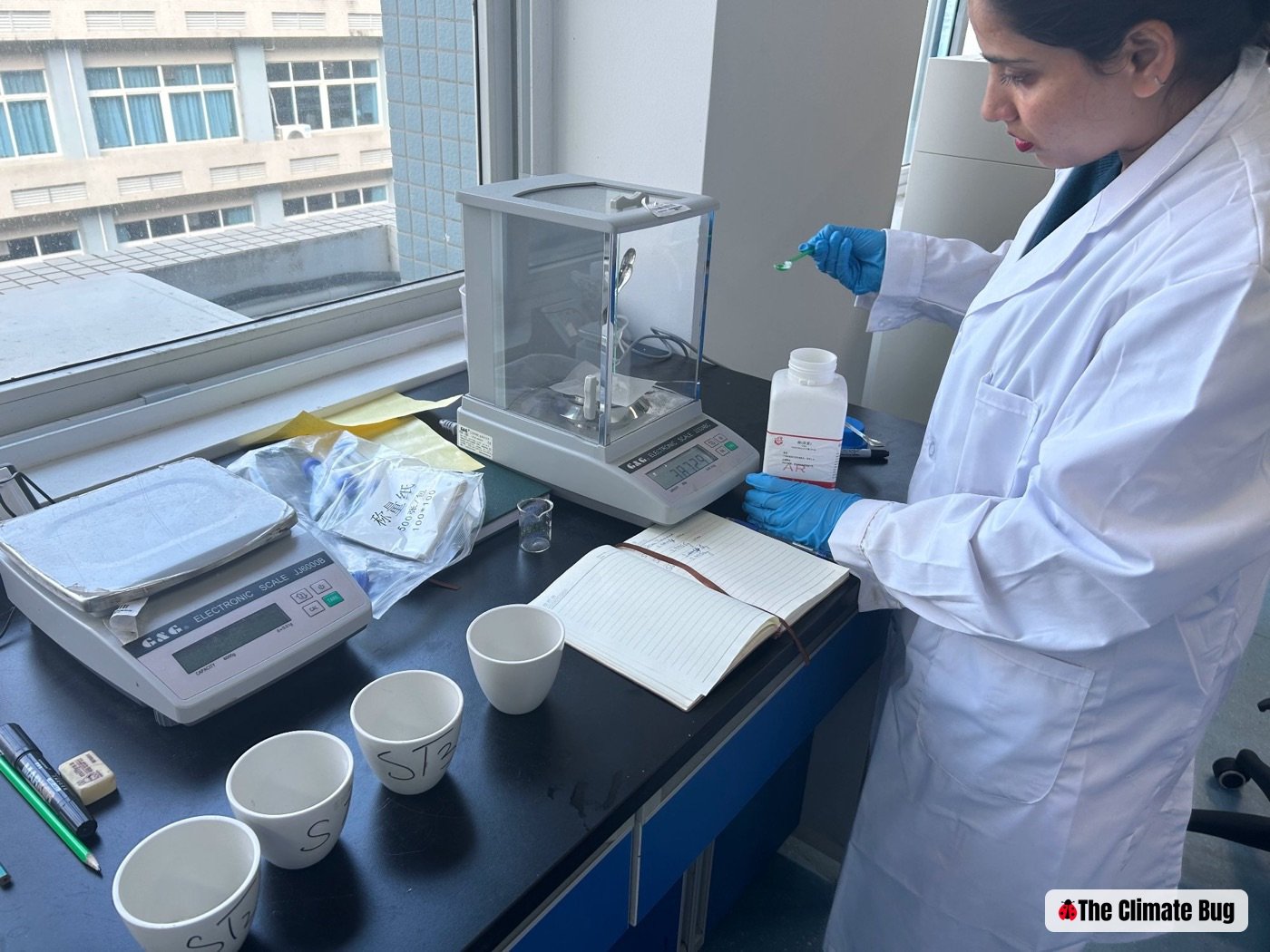
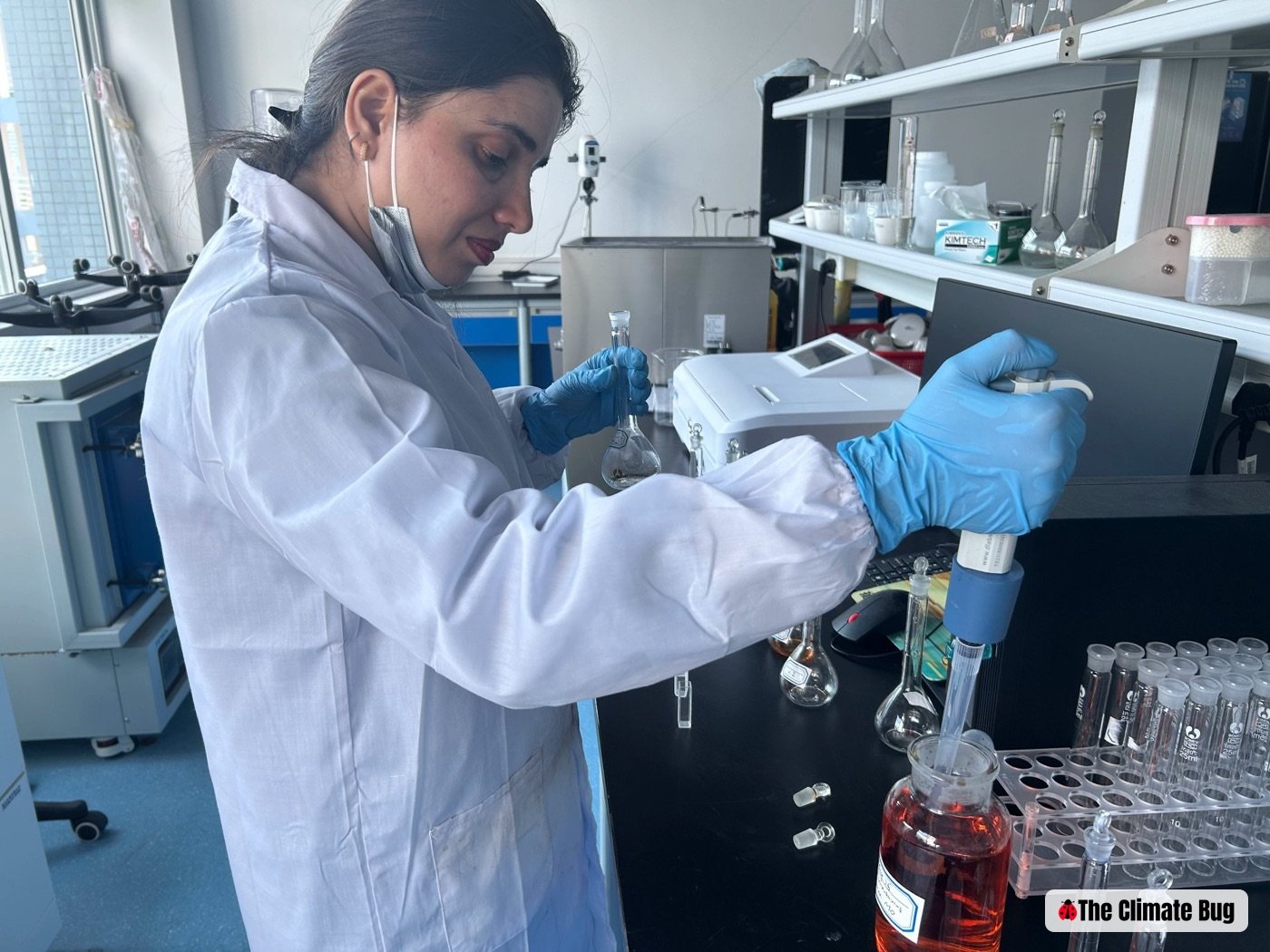
Textile and printing factories release dyes such as methylene blue, which colour rivers and are hard to break down. For my first-author paper in Industrial Crops and Products, I set out to make a cheap material that could pull this dye out of water, starting from something farmers usually throw away: corn stems. Here is how that study looked, step by step, in the lab.
What we found
The mineral-loaded biochar held up to 379 mg of methylene blue per gram, about 2.3 times more than plain corn stem biochar (166 mg per gram). Adding magnesium, calcium and nitrogen raised the biochar’s surface area, pore volume and ash content, and gave it more oxygen- and nitrogen-containing groups. The dye was held in several ways at once: it filled the pores, was pulled in by electric charge, and bonded to the surface. Within the pH range we tested, acidity made no significant difference to how well it worked.
Watch the lab at work
Protecting crops from cadmium
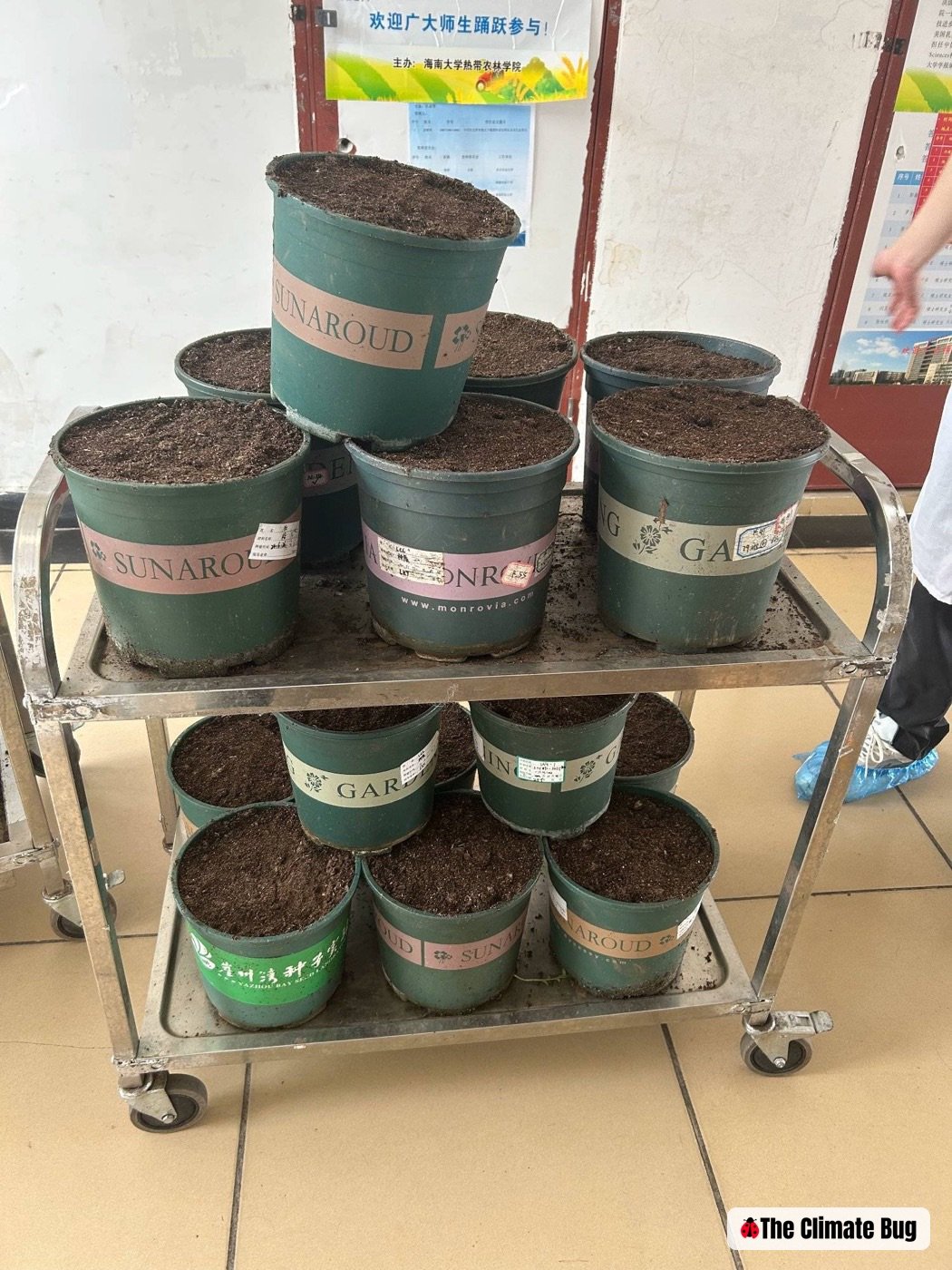
Cadmium is a toxic metal that builds up in farm soils and moves into the food we eat. In my first-author paper in the Journal of Soil Science and Plant Nutrition, I tested whether biochar made from rice straw and loaded with iron could help rapeseed plants cope with cadmium-polluted soil.
We mixed 3% iron-loaded biochar into soil containing 2 mg of cadmium per kilogram and grew rapeseed for 45 days. Compared with plants in polluted soil without it, the plants grew stronger roots, their photosynthesis rose by about 47% and their transpiration by about 48%, and their own defence enzymes against stress became more active (for example, superoxide dismutase rose by about 39%). The biochar also lowered how much cadmium was available in the soil and taken up by the plants.
More from the lab
Publications
- Abbasi, S. S., He, R., Gul, S., Altaf, M. M., Cheng, N., Ke, J., Ma, Q., Hu, Y., & Chen, H. (2026). Synthesis of nitrogen-metal co-doped biochar and its performance in removing methylene blue. Industrial Crops and Products, 249, 123778. https://doi.org/10.1016/j.indcrop.2026.123778
- Abbasi, S. S., Hayat, H. S., Chen, H.-Y., Altaf, M. M., Nour, M. M., & Mohammed, A. E. (2026). Iron-loaded biochar ameliorates cadmium-induced phytotoxicity in rapeseed by modulating Cd uptake, nutrient homeostasis, and antioxidative systems. Journal of Soil Science and Plant Nutrition, 26(2), 4819–4836. https://doi.org/10.1007/s42729-026-03158-z
- Yang, Y., Wang, X., Abbasi, S. S., Zhou, B., Huang, Q., Zhang, S., Xiao, X., Li, H., Chen, H., & Hu, Y. (2026). Highly efficient adsorption of Pb(II) by magnesium-modified zeolite: Performance and mechanisms. Toxics, 14(1), 85. https://doi.org/10.3390/toxics14010085
- Altaf, M. M., Yi, H., Bashir, S., Abbasi, S. S., Anwar, M., Alsahli, A. A., Altaf, M. A., & Ahmad, P. (2024). Mitigating chromium stress in tomato plants using green-silicone nanoparticles: Enhancing cellular oxidative stress management and chromium reduction. Scientia Horticulturae, 338, 113635. https://doi.org/10.1016/j.scienta.2024.113635
Two more papers, on iron-modified biochar for cadmium and chromium stress in pepper and on nitrogen-rich biochar for cleaning polluted water, are currently under review.
Want to see what other researchers are discovering? Read my plain-language stories on the Climate Bug blog, or start with What Is Biochar? A Beginner’s Guide to the Evidence.